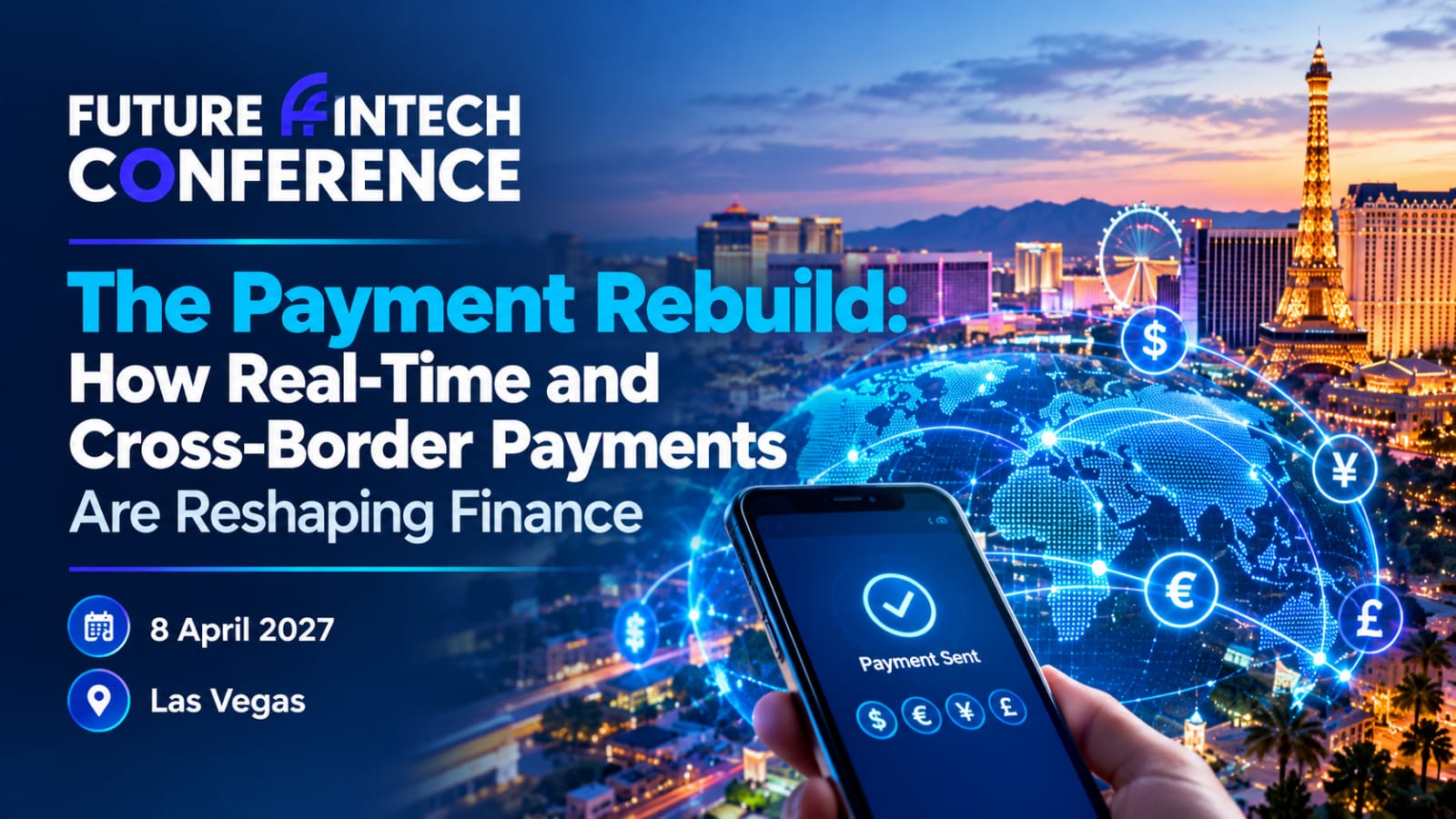
Finance is being rewired from the payments layer up. Domestic instant payment systems are enabling 24/7 money movement, while stablecoins and tokenized deposits are creating new options for cross-border settlement. Together, these developments are changing how treasuries manage liquidity, how SMEs access working capital, and how banks and fintechs compete.
Real-time payments go mainstream
In the United States, the RTP network and FedNow Service supports instant payments around the clock, including weekends and holidays. These systems enable funds to move within seconds, improving cash flow management and reducing reliance on traditional batch-based payment processes.
The RTP network supports transactions of up to $10 million and processed more than 1.5 million payments per day on average in 2026. FedNow continues to expand its reach among participating financial institutions.
For corporate finance teams, these capabilities can support:
Real-time treasury transfers: Moving funds between eligible accounts and entities more quickly.
Just-in-time payments and collections: Reducing delays between receiving funds and meeting payment obligations.
Improved cash visibility: Using faster settlement and richer payment information to support liquidity planning.
Instant payments can help businesses manage working capital more efficiently. However, the benefits depend on participating banks, payment limits, internal treasury systems and the readiness of counterparties to receive funds.
Cross-border payments: Stablecoins and tokenization
Domestic instant payment systems do not automatically extend across national borders. Stablecoins and tokenized deposits are emerging as alternative ways to move value internationally, particularly for business payments, treasury transfers and contractor payouts.
Their potential benefits include:
Faster settlement: Blockchain-based transactions can settle in near real time, depending on the network and payment arrangements.
Lower transaction costs: Some payment corridors can reduce intermediary fees and foreign exchange friction.
Programmable payments: Smart contracts can support conditional transactions and automated treasury workflows.
According to Juniper Research, cross-border B2B stablecoin transaction value is forecast to rise from $13.4 billion in 2026 to $5 trillion by 2035. The research also projects that B2B transactions will account for 85% of total stablecoin transaction value in 2035.
Major payment companies are also building connections between digital assets and traditional financial infrastructure. In August 2026, Mastercard completed its acquisition of BVNK, strengthening its capabilities across fiat and stablecoin payments.
These developments point towards a more connected payment ecosystem. However, stablecoin adoption still depends on regulatory requirements, liquidity, reliable conversion between currencies, compliance controls and access to appropriate banking infrastructure.
The operational shift: From net 30 to now
The combined impact of instant payments and emerging digital settlement options is moving corporate finance away from batch-based processing towards more continuous, event-driven cash management.
Working capital optimization: Faster incoming and outgoing payments can improve cash availability, reduce payment delays and help businesses manage short-term borrowing needs.
Treasury as a real-time control tower: Automated transfers, intraday funding and rule-based cash management can give treasury teams greater control over liquidity across accounts and business units.
New risk and control models: Instant payments leave less time to identify suspicious transactions before settlement. Businesses need effective pre-transaction fraud screening, sanctions checks and payment controls. Recovery can be difficult once an instant payment has been completed.
These changes also affect competition across the financial services sector. Banks must adapt their payment infrastructure and service models, while fintechs and specialist providers are developing solutions that connect instant payment systems, digital asset networks and legacy financial platforms.
The challenge is not simply to move money faster. It is to make payments more transparent, secure, interoperable and useful for business operations.
Join the conversation at Future Fintech
The next phase of financial innovation will depend on how effectively institutions combine real-time payments, cross-border settlement, digital assets and intelligent automation.
Join banks, fintech innovators, payment providers, investors, technology leaders and regulators at the Future Fintech Awards & Conference Las Vegas 2027. Explore developments in real-time and cross-border payments, embedded finance, digital assets, RegTech and AI while connecting with the professionals shaping the future of financial services.
Register now: https://www.futurefintechconference.com