
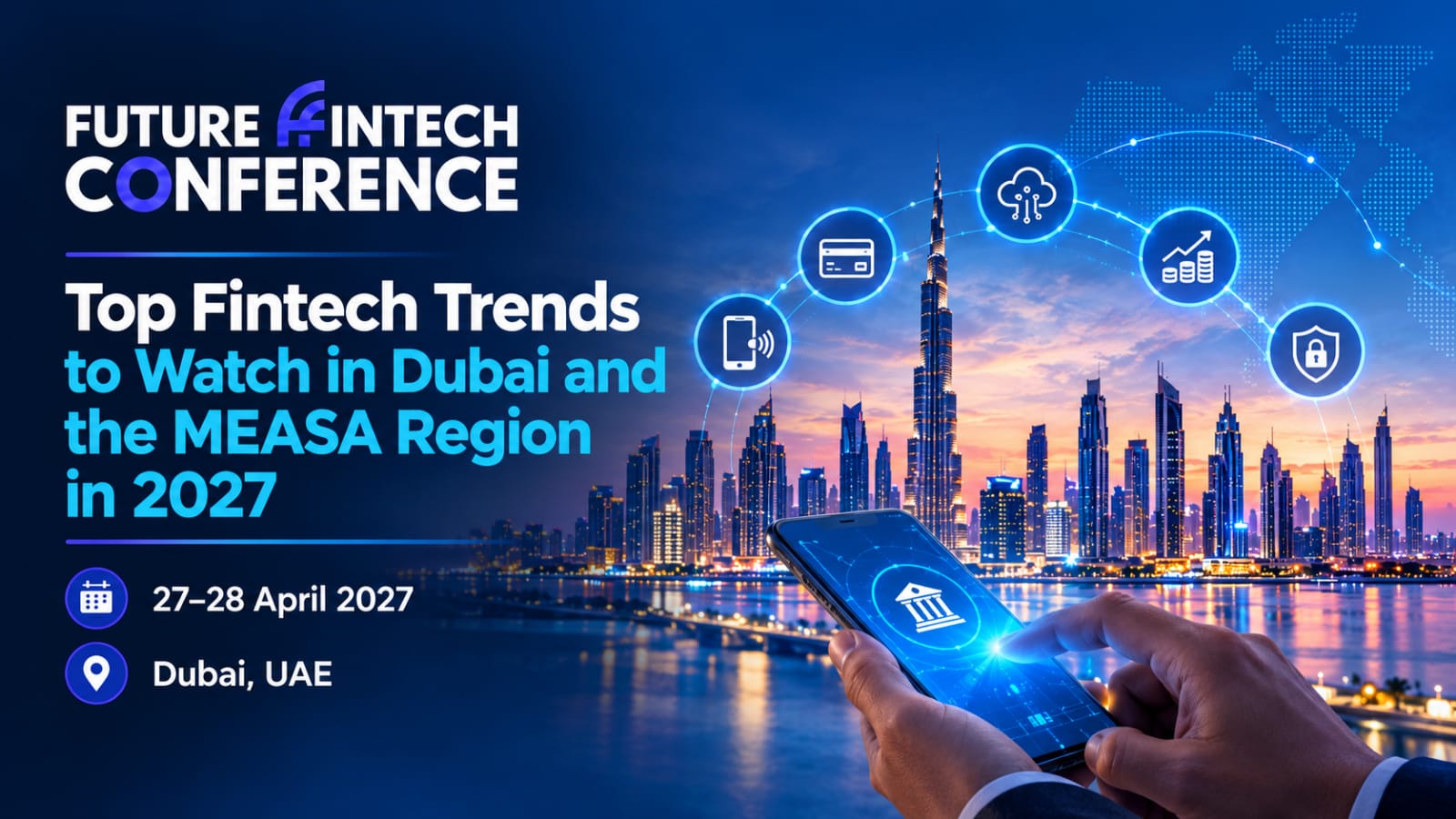
Dubai is emerging as a major fintech hub, connecting innovators, investors, banks, and regulators across the Middle East, Africa, and South Asia. As the region moves into 2027, technologies such as artificial intelligence, embedded finance, real-time payments, and digital assets are set to reshape how financial services are developed, delivered, and secured.
AI becomes core financial infrastructure
Artificial intelligence is moving beyond customer-service chatbots into the core of financial operations. Banks and fintechs are using AI for fraud detection, credit underwriting, compliance monitoring, service automation, and personalized customer experiences.
For example, UAE digital banks can use AI and behavioral signals to identify unusual transaction patterns and flag potential fraud. These applications can help financial institutions strengthen security and respond to suspicious activity. At the same time, responsible AI governance will become essential as financial institutions deploy these tools in highly regulated environments.
Real-time payments accelerate across borders
Instant payments, cross-border transfers, and more efficient payment infrastructure are becoming important to regional fintech growth. Businesses and consumers increasingly expect faster, more transparent, and lower-cost ways to move money when paying suppliers, sending remittances, or settling transactions across markets.
For example, an Indian business receiving payments from clients in Dubai can compare international bank transfers with digital payment gateways and virtual accounts to improve settlement efficiency and manage foreign exchange costs. As cross-border commerce expands across the MEASA region, payment providers and fintech companies will have opportunities to improve the speed, cost, and accessibility of international transactions.
Embedded finance expands beyond banking
Embedded finance is turning financial services into a natural part of everyday digital experiences. Through APIs, banking-as-a-service, and open finance, companies outside traditional banking can offer payments, lending, insurance, and card solutions directly within their platforms.
For instance, an e-commerce platform in the region could offer checkout financing or supplier payment services without directing customers to a separate banking application. This can make financial products more accessible while opening new revenue opportunities for retailers, marketplaces, and software companies.
Digital assets move toward institutional use
Digital assets, tokenization, and stablecoins are gaining attention as potential tools for payments, settlement, and cross-border financial connectivity. Beyond speculative investment, these technologies are being explored for practical institutional applications, including treasury management and international transfers.
Dubai’s regulatory and innovation ecosystem is helping shape this development. The incorporation of the Middle East Stablecoin Association in DIFC reflects growing regional efforts to support responsible stablecoin adoption, industry collaboration, and the development of digital-money standards.
RegTech becomes a competitive advantage
As fintech innovation accelerates, compliance, risk management, and fraud prevention are becoming strategic priorities rather than back-office functions. Regulatory technology (RegTech) solutions help financial institutions manage know-your-customer (KYC) checks, anti-money laundering (AML) controls, transaction monitoring, and regulatory reporting more efficiently.
For example, a fintech lender can use automated identity verification and risk-assessment tools to streamline customer onboarding while maintaining anti-fraud controls. In 2027, companies that combine innovation with effective risk management and regulatory compliance will be better positioned to build customer trust and attract business partners.
Dubai’s role in the next fintech phase
Dubai is strengthening its position as a fintech hub through its financial infrastructure, regulatory ecosystem, access to capital, and regional connectivity. The Dubai International Financial Centre’s ambition to become the world’s first AI-native financial center highlights the growing role of artificial intelligence in the future of financial services. Dubai also ranked first globally for fintech in the September 2026 Global Financial Centers Index results.
These developments make Dubai an important meeting point for fintech founders, banks, investors, regulators, and technology providers seeking opportunities across the Gulf, Africa, and South Asia.
Join the conversation in Dubai
The Future Fintech Awards & Conference Dubai 2027 will bring together fintech leaders, innovators, investors, and decision-makers to explore developments transforming financial services. Topics will include real-time payments, embedded finance, open banking, AI in financial services, RegTech, digital banking, and digital assets.
The event will take place on 27–28 April 2027 at Pullman Dubai Downtown in Dubai, offering opportunities for networking, knowledge-sharing, and recognition of fintech innovation through its awards program.
Explore the latest developments in financial technology and connect with industry professionals at the Future Fintech Awards & Conference Dubai 2027.
Register now: https://futurefintechconference.com