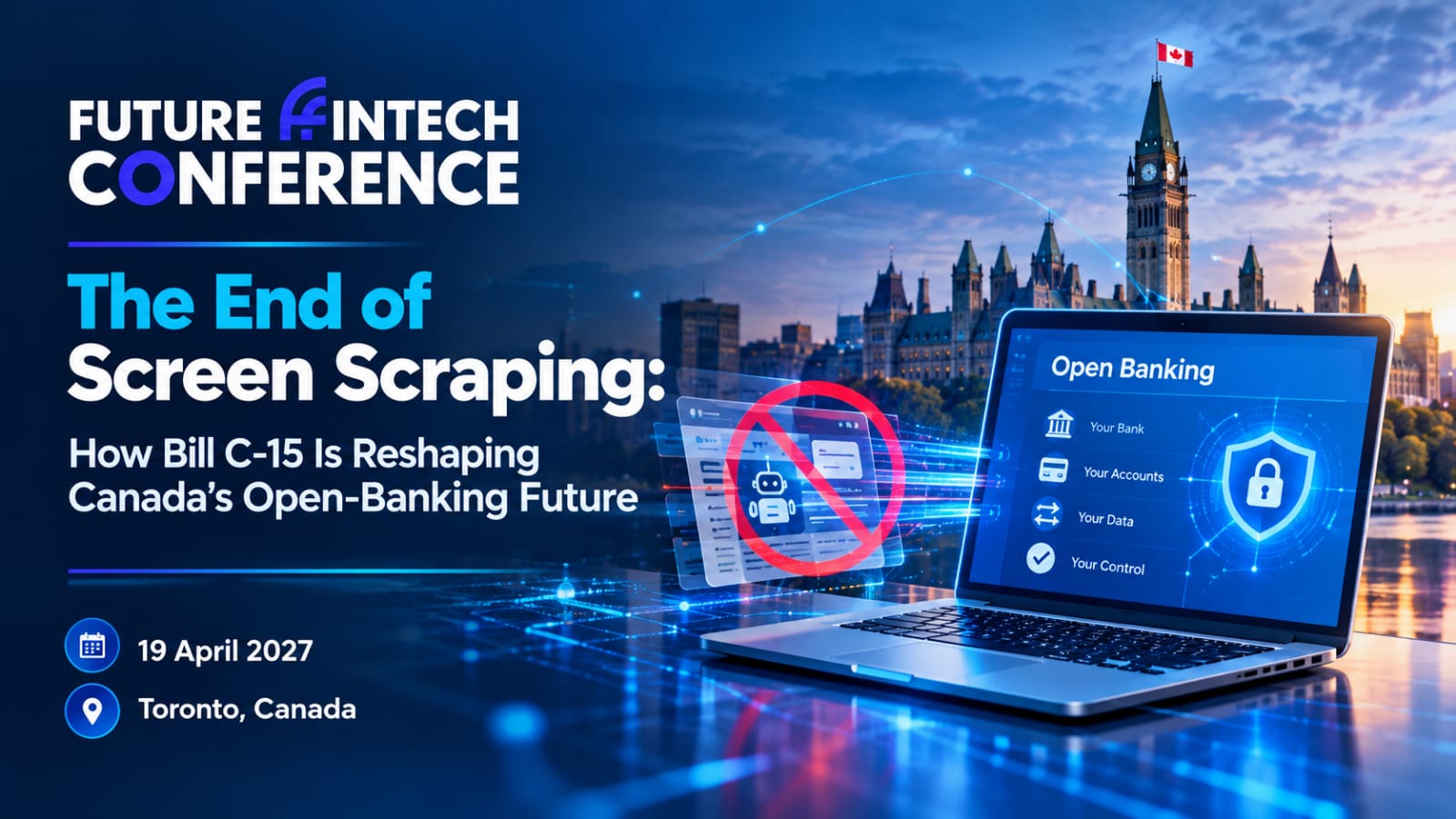
Canada is taking a major step toward a more secure and consumer-focused financial data system. Bill C-15 creates the legal foundation for consumer-driven banking , also known as open banking, and establishes a framework designed to move Canada away from screen scraping. Screen scraping allows third-party services to access financial data using consumers’ online banking credentials.
The change could reshape the relationship between banks, fintech companies and consumers. It could also create new opportunities for innovation, competition and more consumer-directed financial services.
From credentials to consent
Screen scraping is not the same as open banking. Under screen scraping, consumers may provide their banking usernames and passwords to a fintech application. The service can then use those credentials to log in and collect account information.
This approach can support budgeting, financial planning and account aggregation tools. However, it also creates security, privacy and liability concerns. Consumers may have limited visibility into how their credentials are used and what information a service can access.
Canada’s consumer-driven banking framework is designed to provide a regulated alternative. Consumers and businesses will be able to direct participating entities to access specified financial information through a standardized framework. The system includes requirements relating to consent, security, accreditation, liability, complaints and oversight.
What Bill C-15 changes
Bill C-15 received Royal Assent on March 26, 2026, completing the legislative framework for consumer-driven banking in Canada. The legislation includes a prohibition on screen scraping, but that prohibition is not yet in force. The government has stated that it will come into force once the consumer-driven banking framework is fully operational.
This distinction matters for banks and fintech companies. The legislation establishes the direction and regulatory structure, but businesses still need to monitor the final regulations, technical standards and implementation timelines.
The framework is designed to replace credential-based access with permissioned data sharing. Consumers will be able to direct participating entities to share their financial information within the framework, with rules governing consent, security and data access.
New opportunities for fintech
A regulated data-sharing system could support a range of fintech applications. These may include account aggregation, budgeting tools, automated financial advice, credit assessment and more efficient lending processes for small businesses.
The framework could also support greater competition. Smaller fintech companies may be able to develop products around standardized, consumer-permissioned data access rather than relying on individual arrangements with banks.
However, the impact will depend heavily on implementation. Accreditation requirements need to be clear, technical standards need to support interoperability, and consumers need to understand what they are authorizing when they grant access to their financial data.
Trust will determine success
Bill C-15 provides the legislative foundation, but legislation alone will not create a mature open-banking market. Financial institutions, fintech companies, regulators and consumer groups will all have roles in developing and using the framework.
The Canadian government has positioned consumer-driven banking around greater consumer control, stronger data protections, competition and innovation. The framework is also intended to address the security, privacy and liability concerns associated with existing screen-scraping practices.
If implementation delivers on these objectives, consumer-driven banking could give Canadians greater control over their financial information while creating new opportunities for fintech companies to develop data-driven services.
The transition away from screen scraping is therefore more than a technical change. It represents a shift toward regulated, consent-based financial data sharing in Canada.
Join the conversation
Bill C-15 is likely to remain an important reference point as Canada moves from legislation toward implementation. Its impact will extend across banks, fintech companies, consumers and financial-data providers.
Join us at the Future Fintech Awards and Conference – Canada to hear industry leaders discuss Canada’s consumer-driven banking framework, the future of open banking and the opportunities created by secure, consent-based data sharing.
Register today to be part of the conversation shaping Canada’s fintech future.